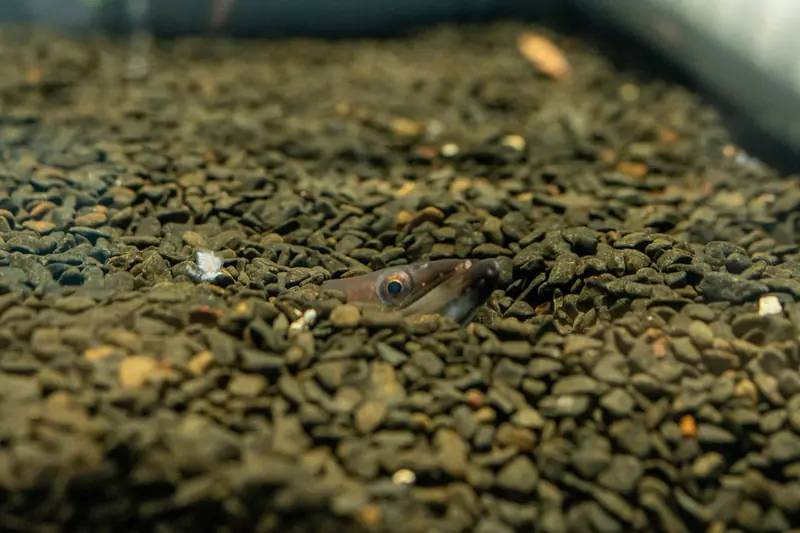
Best Aquarium Gravel Vacuums
A gravel vacuum pulls debris out of the substrate while it drains water for a water change. The decisions are manual or electric, tube size for your tank depth and whether you want a faucet hookup. This page is for owners who change water regularly and want it to be quick and tidy.
Jump to section
What we look for
Tank size and depth
tube length must reach the bottom of your tank and the hose must reach your drain.
Manual siphon or electric
manual siphons are simple, while electric models save effort on bigger jobs.
Hose length
a hose that reaches your drain saves carrying buckets.
Flow control
flow control lets you slow the siphon near fish and plants.
Tube width
a tube that is too narrow pulls up small gravel; a wider one suits larger substrate.
Faucet adapter
a faucet adapter lets you refill from the tap with the same hose.
- Sources: manufacturer product pages and manuals, warranty terms, and the CDC fish guidance for cleanup and hygiene and UF/IFAS for water change facts.
How to choose the right gravel vacuum
A gravel vacuum turns water changes into a routine. Compare the six points below, and read our aquarium hygiene guide for the safe way to handle tank water.
The vacuum is part of a routine that keeps ammonia down. UF/IFAS cites 25 to 50 percent water changes, using ammonia-free source water, to bring ammonia down when it rises (UF/IFAS). New water must be treated first, since even the slightest trace of chlorine can prove fatal to fish (UF/IFAS).
Plan where the dirty water goes. CDC says not to dump tank water or clean aquarium items in the kitchen sink; use a bathtub, a laundry sink or the outdoors, then disinfect the area (CDC). CDC also advises gloves when cleaning, especially with cuts or wounds, and says children under 5 should not clean or handle aquarium items (CDC). A longer hose helps you reach a bathtub or laundry sink, so check the Hose length column against where you will drain.
Use your tests to decide how often to clean. UF/IFAS says ammonia is colorless and odorless even at toxic levels, so testing is the only way to detect it, and it advises testing at least weekly and straight away if fish behavior or feeding changes (UF/IFAS). Un-ionized ammonia above 0.05 mg/L can damage fish tissues (UF/IFAS). Nebraska Extension says to keep chloramine residuals in fish water below 0.1 ppm (Nebraska Extension), so treat every batch of replacement water. Check the Tube width and Rated tank size columns so the vacuum suits your gravel and your tank depth.
Tank size and depth
Compare the Tube length column to your tank depth, and the Rated tank size to your tank. A tube that is too short will not reach the substrate, and one that is too long is awkward in a small tank.
Manual siphon or electric
Check the Type column. A manual siphon needs no power and has few parts. Electric and battery models can be easier on larger tanks. Any electric model near water follows the same rules as other aquarium appliances; unplug before putting hands in the tank (Fluval manual).
Hose length
Check the Hose length column against the distance from the tank to a tub, laundry sink or outdoor spot. Not the kitchen sink: CDC says to dump tank water in a bathtub, laundry sink or outdoors and disinfect the area (CDC).
Flow control
Look at the Flow control column. A valve or a squeeze section lets you pause and restart without lifting the tube. It also helps you avoid pulling up small gravel or plants.
Tube width
Match tube width to your substrate. Fine sand and small gravel need a gentler siphon, and larger rocks suit a wide tube. Check the maker's guidance for your substrate type.
Faucet adapter
If you want to drain and refill with one hose, check the Faucet adapter column and that it fits your faucet. Treat refill water with a conditioner before it reaches the fish.
Tips for using your gravel vacuum
- Wear gloves, especially if you have cuts or scrapes on your hands (CDC).
- Wash your hands after cleaning. See our hygiene guide.
- Test ammonia after a big change with a test kit.
FAQ
How much water should I change?
UF/IFAS cites 25-50% water changes, with ammonia-free source water, to bring down ammonia (UF/IFAS).
Where should I dump the water?
Not in the kitchen sink. Use a bathtub, laundry sink or outdoors, then disinfect the area (CDC).
Should I wear gloves?
Yes, especially with cuts or scrapes on your hands (CDC).
Can kids help?
CDC says children under 5 should not clean or handle aquarium items (CDC).
Related
-
Buying guide
Best Water Conditioners for Aquariums
Chloramine removal, dose and bottle size, side by side.
-
Buying guide
Best Aquarium Test Kits
Parameters, format, tests per kit and ammonia range, side by side.
-
Buying guide
Best Aquarium Filters (Hang-On-Back, Sponge and Internal)
Rated tank size, flow, media and noise for hang-on-back, sponge and internal filters.
-
-
Guide
Aquarium Hygiene: Keeping Your Family Healthy Around Fish Tanks
CDC guidance on germs, handwashing, cleaning and who should avoid tank work.
-
Guide
Aquarium Water Testing: What the Numbers Mean
Ammonia, nitrite, nitrate, pH and alkalinity, with the danger levels from UF/IFAS.

Get the First Fish Tank Checklist
A printable 8-point checklist for a new tank: stand weight, water treatment, filter, heater safety, temperature, tests and cleanup. Free.