
Best Aquarium Test Kits
Water you cannot see can still be toxic, and a test kit is how you check it. The main decisions are which parameters the kit covers, whether you prefer liquid or strips, and how many tests you get. This page is for new owners cycling a tank and for keepers who test weekly.
Jump to section
What we look for
Parameters covered
the kit needs ammonia and nitrite first; pH, nitrate and alkalinity add detail.
Liquid or strips
liquid kits and strips trade speed against readability.
Number of tests
more tests per kit means you can test weekly for longer.
Color chart readability
a color chart you can read at a glance is the one you will use.
Total chlorine for chloraminated tap water
a free-chlorine test gives wrong readings on chloraminated water.
- Sources: manufacturer product pages and manuals, warranty terms, and UF/IFAS for ammonia and nitrite facts and Nebraska Extension for chlorine testing.
How to choose the right test kit
A test kit is the one tool every tank needs from the first day. Compare the five points below, and read how to cycle a fish tank to know what to do with the readings.
The format decides which parameters you get. API's liquid master kit measures pH, high-range pH, ammonia, nitrite and nitrate (API). API's 5-in-1 strips measure pH, nitrite, nitrate, KH and GH, with no ammonia pad (API). Tetra's 6-in-1 strips add total chlorine, and its ammonia strips are sold separately (Tetra). Our strips vs liquid comparison sets out speed, accuracy and storage.
On accuracy, a 2011 University of Hawai'i study found one brand of strips did not perform well for ammonia, while colorimetric kits did better at lower readings; it also found no color test exact near zero (UH study). An Auburn University thesis from 2015 found kit users made similar decisions in most cases (Auburn). Check the Ammonia range column, and note that API's liquid ammonia kit reads 0 to 8 ppm (API). Whichever you use, store it as the maker says and use it before its use-by date.
Know what the numbers mean before you buy. UF/IFAS says total ammonia nitrogen is un-ionized ammonia plus ionized ammonium, that un-ionized ammonia is roughly 100 times more toxic to fish, and that its share rises with higher pH and temperature (UF/IFAS). Un-ionized ammonia above 0.05 mg/L can damage fish tissues, and nitrite can be toxic at levels as low as 0.10 mg/L (UF/IFAS). That is why a kit that reads ammonia and nitrite matters most for a new tank. Our water testing guide explains each reading in turn.
Parameters covered
Check the Parameters tested column for ammonia, nitrite, nitrate, pH and KH or alkalinity. Ammonia is first, since it is colorless and odorless even at toxic levels and testing is the only way to detect it (UF/IFAS). Our water testing guide explains the numbers.
Liquid or strips
Check the Format column and read test strips vs liquid test kits before choosing. Strips are quick; liquid kits usually need more steps. Think about which you will use weekly, since a test you skip does not help.
Number of tests
UF/IFAS advises testing at least weekly for ammonia, and immediately if fish behavior or feeding changes (UF/IFAS). Check the Tests per kit column and work out how long a kit lasts at that rate, plus extra for cycling.
Color chart readability
Look at how the chart is printed and how easy it is to match shades by eye. Test in good light and read results against a white background. If colors are hard to tell apart near zero, consider a different format.
Total chlorine for chloraminated tap water
If your tap water is chloraminated, test total chlorine, also called combined chlorine; a free-chlorine test gives erroneous readings (Nebraska Extension). Check the Total chlorine column and see our water conditioner guide.
Tips for using your test kit
- Check any expiry date before you buy. Old reagents can give wrong readings.
- Test weekly for ammonia on a fixed day, and write the result down.
- Test again straight away if fish behavior or feeding changes (UF/IFAS).
- Ammonia should read zero in a healthy system, so a reading above zero means act, not wait (UF/IFAS).
FAQ
What should ammonia read?
Zero in a healthy system. Un-ionized ammonia above 0.05 mg/L can damage fish tissue (UF/IFAS).
How toxic is nitrite?
UF/IFAS says nitrite can be toxic at levels as low as 0.10 mg/L (UF/IFAS).
How often should I test?
At least weekly for ammonia, and immediately if fish behavior changes or feeding drops (UF/IFAS).
Which chlorine test for tap water?
Use a total chlorine kit. A free-chlorine test gives wrong readings on chloraminated water (Nebraska Extension).
Related
-
Buying guide
Best Water Conditioners for Aquariums
Chloramine removal, dose and bottle size, side by side.
-
Buying guide
Best Aquarium Gravel Vacuums
Type, tube length, hose length and faucet adapters, side by side.
-
Comparison
Aquarium Test Strips vs Liquid Test Kits: Which to Buy
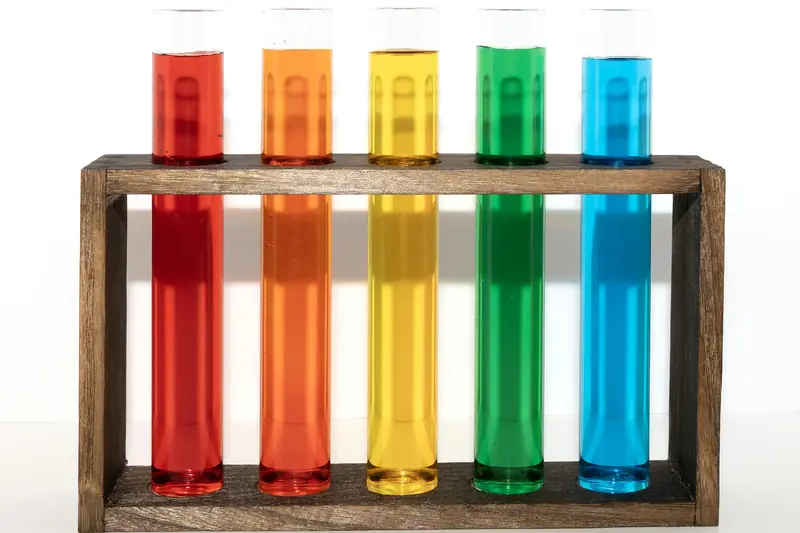
Parameters, speed, readability and ammonia readings near zero for strips and liquid kits.
-
Buying guide
Best Aquarium Filters (Hang-On-Back, Sponge and Internal)
Rated tank size, flow, media and noise for hang-on-back, sponge and internal filters.
-
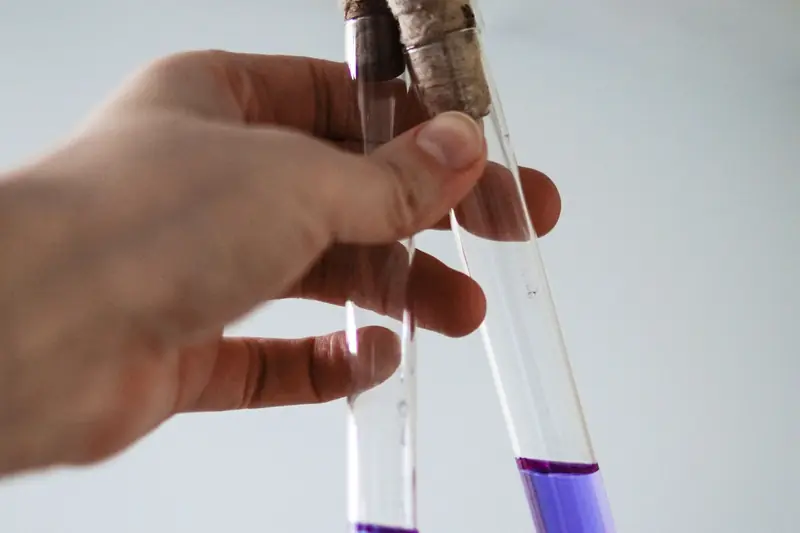
Guide
Aquarium Water Testing: What the Numbers Mean
Ammonia, nitrite, nitrate, pH and alkalinity, with the danger levels from UF/IFAS.
-
Guide
How to Cycle a Fish Tank: The Nitrogen Cycle Made Simple
Ammonia to nitrite to nitrate, how long it takes and when fish can go in.

Get the First Fish Tank Checklist
A printable 8-point checklist for a new tank: stand weight, water treatment, filter, heater safety, temperature, tests and cleanup. Free.