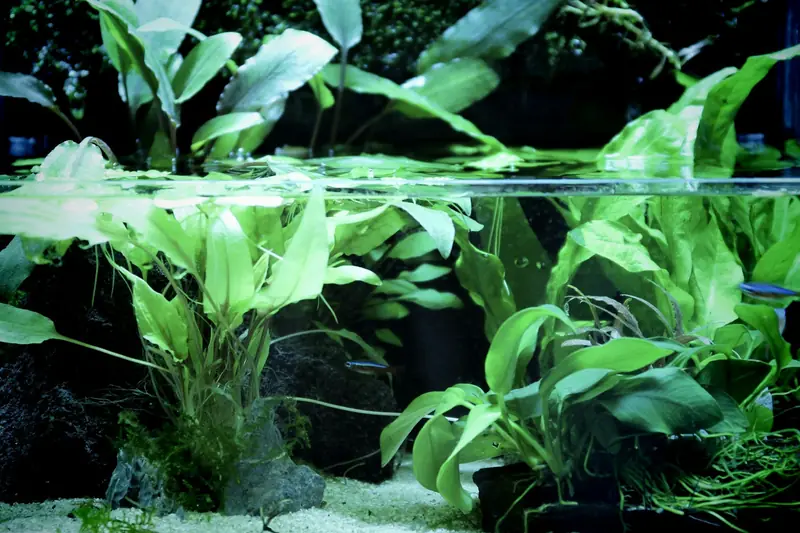
How to Cycle a Fish Tank: The Nitrogen Cycle Made Simple
Ammonia to nitrite to nitrate, how long it takes and when fish can go in.
Quick answer
Cycling grows the bacteria that turn fish waste into safer compounds. Plan on six to eight weeks for a new biofilter to establish (UF/IFAS). Treat the tank as cycled only when your tests show ammonia at zero and no nitrite, never on elapsed time alone.
Jump to section
Where ammonia comes from
A new tank looks clean and clear, and it can still be unsafe. Fish give off ammonia, mostly through their gills. In a home aquarium the main source is digesting food, and uneaten food, decaying matter and tap water add more (UF/IFAS).
That matters because ammonia is colorless and odorless, even at toxic levels. You cannot see it or smell it, so the only way to detect it is a test (UF/IFAS). This is why cycling is built around tests, not guesses.
A brand-new tank starts with almost none of the bacteria that clear ammonia. Every source above still adds some, so the first fish in an uncycled tank would be living in a rising pool of something toxic. That is the whole reason cycling exists: you grow the cleaning crew first, then bring in the animals.
You control some of the sources. Digesting feed is the main one, so how much you feed and how much goes uneaten matters. You cannot control the gills of the fish you own, which is why the filter has to do the rest.
The two bacteria steps: ammonia to nitrite to nitrate
Cycling is the process of growing two groups of bacteria in your filter and on the surfaces of the tank. They turn ammonia into something less harmful in two steps (UF/IFAS):
- Ammonia-oxidizing bacteria, such as Nitrosomonas and Nitrosospira, convert ammonia to nitrite.
- Nitrite-oxidizing bacteria, such as Nitrobacter and Nitrospira, convert nitrite to nitrate.
A University of Florida teaching module describes the same two steps, and notes that nitrite binds to hemoglobin and blocks oxygen transport (UF teaching module). So nitrite is not an in-between that you can ignore. It needs to reach zero, too.
The bacteria need somewhere to live, and the filter media is the largest surface in most tanks. That is why a filter with room for media matters more than a filter that only moves water fast. See our guide to aquarium filters for how to compare media room and rated tank size, and our canister filter guide for larger tanks.
How long cycling takes
Plan on six to eight weeks for a new biofilter to establish (UF/IFAS). That is the number to plan with, and it is a plan, not a promise.
You may read shorter numbers elsewhere. A University of Florida classroom module says most biological filters take 1 to 6 weeks and sometimes more than 8 (UF teaching module). We cite it for one point: cycling can run past eight weeks, so do not stop testing because a calendar says you should be done.
A practical way to handle the wait is to keep a simple log. Write the date, the ammonia reading and the nitrite reading each time you test. A log turns a vague feeling that nothing is happening into a clear picture of which step the tank is on. It also helps you spot a stall, for example if nitrite stays above zero for a long time, and it gives you something concrete to show a store or a forum if you need advice.
Patience pays off. A tank that is fully cycled before fish arrive is far easier to run than one that is rushed. If the wait feels long, use it to finish the other jobs, such as treating tap water and setting up the heater. Our setup guide lists them in order.
What the bacteria need (oxygen, alkalinity, pH)
Nitrifying bacteria are living things with needs. Three matter most:
- Oxygen. They need oxygen, and UF/IFAS says to keep dissolved oxygen above 5 mg/L (UF/IFAS).
- Alkalinity. They stop working effectively when total alkalinity falls below 20 mg/L (UF/IFAS).
- pH. At pH 6.5 or lower, the nitrite-to-nitrate bacteria become inefficient and eventually stop (UF teaching module).
Nitrification also lowers pH and alkalinity over time, and the same module says periodic 25% water exchanges help. That is one reason a cycled tank still needs regular care. Our aquarium water testing guide explains the pH and alkalinity tests.
This is also why you should not turn off the filter during the cycle. The bacteria sit on the media, and a filter that is off stops water and oxygen reaching them. If the power goes out, restore it as soon as you can.
Think of the three needs as a short checklist when a cycle stalls. Is the water moving past the media? Does the alkalinity test show a healthy reserve? Is the pH sliding downward? Our water testing guide explains how to read each result.
Reading your tests during the cycle
You will not see a perfect line on a chart, but the order of events follows the two steps above. Test at least weekly, and use the readings to see which stage you are in (UF/IFAS).
| What the tests show | What it likely means | What to do |
|---|---|---|
| Ammonia above zero, no nitrite | The first bacteria are still growing | Keep testing; protect any fish |
| Ammonia above zero, nitrite above zero | The first step is working, the second is not yet | Keep testing |
| Ammonia at zero, nitrite above zero | The second step is catching up | Keep testing until nitrite is zero |
| Ammonia at zero, nitrite at zero, nitrate present | Both steps are working | The tank is cycled |
A good aquarium test kit lets you read low values clearly. If you are not sure whether strips or a liquid kit suits you, see test strips vs liquid test kits.
When to add the first fish
Add fish when your tests show ammonia at zero and no nitrite. That is the rule, and it comes before any date on the calendar (UF/IFAS).
A short checklist before the first fish goes in:
- Ammonia reads zero.
- Nitrite reads zero.
- The filter has run without a break since you started.
- The water has been treated with a conditioner that removes chloramine; see our water conditioner guide.
- The temperature has been checked with a thermometer.
If you are still buying gear, a starter kit bundles a tank with a filter, but the cycle still has to happen. Our guide on how to set up a fish tank puts cycling in context with the other setup steps.
Once the tank is cycled, add fish with care. Ask the seller what each species needs, and check that your tank has room for the adult size of the fish you choose. Then keep testing. Adding animals adds a new ammonia source, and your tests tell you how the biofilter is coping.
If you ever need to rehome a fish later, read why you should never release aquarium fish first.
If ammonia spikes later
Even a cycled tank can see ammonia rise, for example when a lot of food goes uneaten or the filter loses its bacteria. Follow the steps UF/IFAS gives for rising ammonia (UF/IFAS):
- Reduce or stop feeding for 1 to 3 days. UF/IFAS says this is usually safe, except for fry.
- Do a 25-50% water change using ammonia-free source water.
- Test again, and keep testing until ammonia is back to zero.
A gravel vacuum makes the water change and the cleanup of waste easier. Rinse filter media in tank water rather than tap water when you clean it, so you do not wash away the bacteria you worked to grow. For a regular schedule, see aquarium water testing.
Gear that helps
-
Best Aquarium Test Kits
You cannot see ammonia or nitrite, so a test kit is how you know where the cycle stands.
-
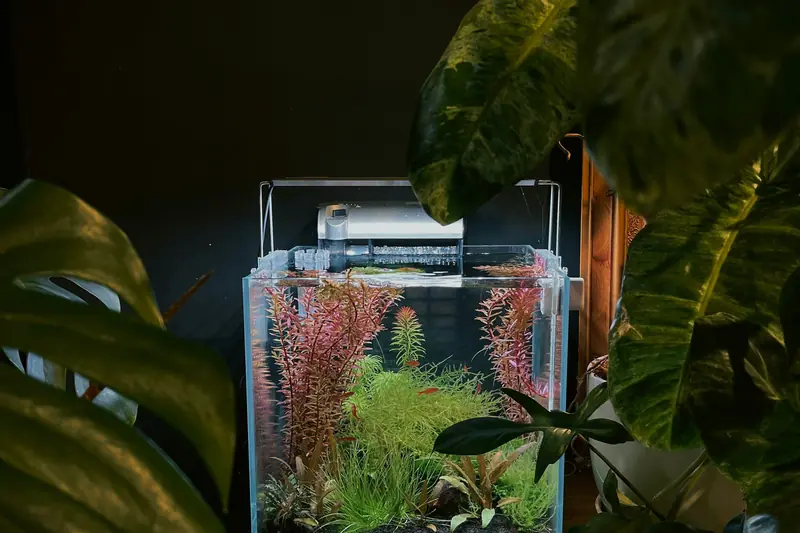
Best Aquarium Filters (Hang-On-Back, Sponge and Internal)
The filter is where the bacteria live, so its rated size and media room matter.
-
Best Water Conditioners for Aquariums
Tap water must be treated before it goes in the tank, and chloramine needs a product that removes it.
FAQ
Can I add fish while the tank is cycling?
Ammonia is toxic and should read zero in a healthy system, so wait until your tests show ammonia at zero and no nitrite (UF/IFAS).
Does an ammonia binder replace cycling?
No. UF/IFAS says ammonia binders give only short-term relief, and a properly sized biofilter is the long-term control (UF/IFAS).
Can cycling take longer than eight weeks?
Yes. A UF classroom module says most biological filters take 1 to 6 weeks and sometimes over 8, so go by test results (UF teaching module).
Related
-
Buying guide
Best Aquarium Test Kits
Parameters, format, tests per kit and ammonia range, side by side.
-
Buying guide
Best Aquarium Filters (Hang-On-Back, Sponge and Internal)
Rated tank size, flow, media and noise for hang-on-back, sponge and internal filters.
-
-
Buying guide
Best Aquarium Starter Kits for Beginners
Volume, filter type, heater and lid, side by side for first-time owners.
-
Guide
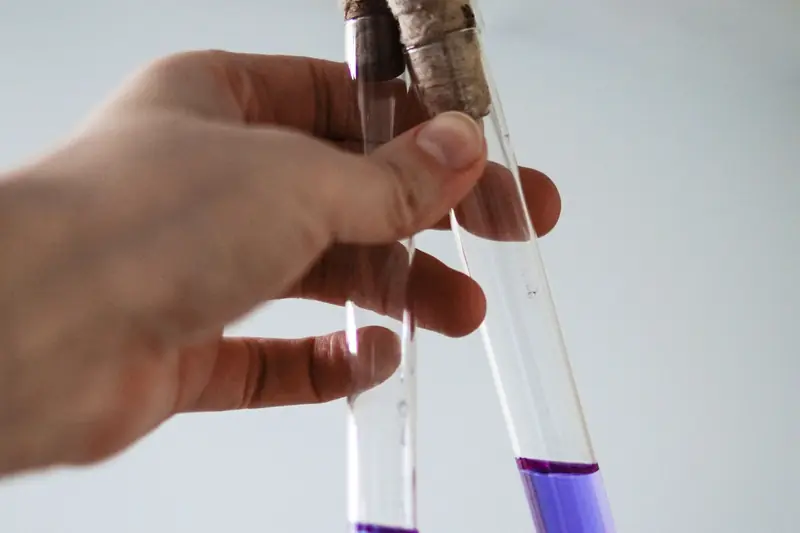
Aquarium Water Testing: What the Numbers Mean
Ammonia, nitrite, nitrate, pH and alkalinity, with the danger levels from UF/IFAS.
-
Guide
How to Set Up a Fish Tank: A Step-by-Step Beginner's Guide
Stand, water treatment, filter, heater and tests, in the order that keeps fish safe.

Get the First Fish Tank Checklist
A printable 8-point checklist for a new tank: stand weight, water treatment, filter, heater safety, temperature, tests and cleanup. Free.