Never Release Aquarium Fish (and the Moss Ball Mussel Scare)
Rehoming options, and the USFWS steps from the 2021 zebra mussel moss ball case.
Quick answer
Never release pet fish into ponds, rivers or other outdoor areas: most die, and some harm native wildlife (CDC). Rehome them with another hobbyist, a local aquarium, a school or a zoo, or ask a veterinarian. In 2021, invasive zebra mussels turned up in marimo moss balls, and USFWS gave steps to destroy suspect ones (USFWS).
Jump to section
Why released fish usually die, or do damage
When a pet fish outgrows a tank or a hobby ends, the pond down the road can look like a kind answer. It is not.
CDC's advice is plain: never release pet fish into ponds, rivers or other outdoor areas. Most of them die, and some harm native wildlife (CDC).
So there are two bad outcomes. The fish may suffer and die in water it is not suited to, or it may survive and damage the place it ends up. Neither is fair to the fish or to local wildlife. The same logic applies to plants and other tank life, as the moss ball story below shows.
The best prevention is a plan before you buy. Know how large the fish gets, how long it lives and what its tank will need. Our starter kit guide and fish tank guide help you match a tank to your plans.
Slow down at the store. Write down the adult size, the lifespan and the tank size before you buy. If the numbers do not fit your tank, choose a different fish.
Rehoming options
If you cannot keep a fish, CDC's advice is to rehome it. Options it lists are another hobbyist, a local aquarium, a school or a zoo, or asking a veterinarian (CDC).
A short plan:
- Ask local fishkeeping groups or friends whether anyone can take the fish.
- Call a local aquarium, a school or a zoo and ask whether they accept donations.
- Ask a veterinarian if you cannot find a taker.
- Keep the fish healthy and the water stable while you look; see aquarium water testing.
Be honest about the fish's health and species when you ask. A taker needs to know what they are getting. Do not leave a fish in a bag or move it in a hurry. If you have to move one, ask the taker how they want it transported.
Offer the fish free of charge to someone you trust, and be clear about its needs. If you have a sick fish, ask a veterinarian before you pass it on, so you do not spread a problem to another tank. Rehoming a fish is a good outcome; a quick release is not.
The 2021 zebra mussel moss ball case
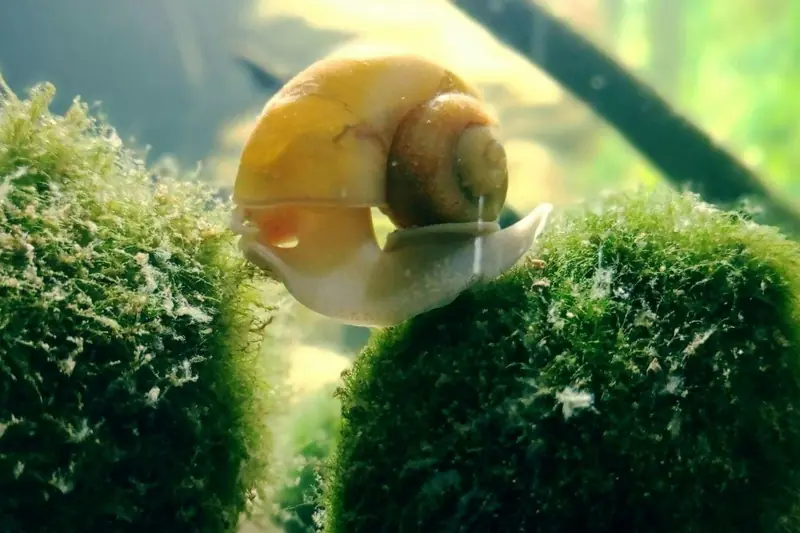
In March 2021, USGS confirmed invasive zebra mussels on and inside marimo moss balls. They were first reported at a pet store in Seattle (USFWS).
By April 27, 2021, contaminated moss balls had been found in 46 states (USFWS). That makes it a good example of how a small tank plant can be a route for an invasive species.
USFWS describes zebra mussels as among the most destructive invasive species in North America. They disrupt food chains, smother native mussels, clog water intakes and leave sharp shells on beaches (USFWS).
The lesson for hobbyists is that the risk is not limited to fish. Plants, moss balls and decor can carry other living things. If a product gets a notice, follow it, and do not treat water or plants as harmless just because they look clean.
How to destroy contaminated moss balls
USFWS lists four ways to destroy suspect moss balls. Choose one (USFWS):
| Method | Detail |
|---|---|
| Freeze | In a sealed bag for at least 24 hours |
| Boil | For at least 1 full minute |
| Bleach soak | 10 minutes in bleach diluted 1/3 cup per gallon |
| Vinegar soak | 20 minutes in undiluted white vinegar |
After treatment, bag the moss balls and put them in the trash (USFWS).
Use the methods above exactly as USFWS gives them. If you are unsure about handling bleach, ask a professional or follow the label on the product.
Choose the method that fits what you have at home. Freezing needs a freezer and time, boiling needs a pot and a stove, and the bleach and vinegar soaks need a container. Whichever you choose, finish with the bagging and the trash step. Do not skip it, and do not compost the moss balls or put them in a garden.
Disposing of tank water safely
Tank water from a tank that held suspect moss balls needs care too. USFWS advised sterilizing aquarium water with 1/3 cup bleach per gallon for 10 minutes before pouring it down a household drain. That advice applies to suspected contamination only (USFWS).
Treated liquid can go down a household drain, but never a storm drain (USFWS). A storm drain leads to local waterways, which is the place you are trying to protect.
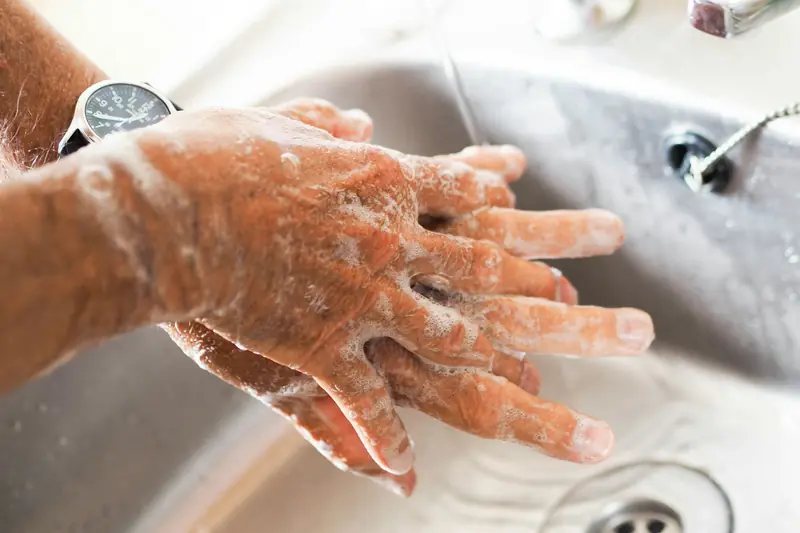
For ordinary tank water, CDC says to avoid the kitchen sink when cleaning aquarium items and use a bathtub, laundry sink or outdoors (CDC). Our hygiene guide covers the handwashing and cleanup that go with it.
Keep the water away from storm drains, gutters and outdoor drains that lead to waterways. If you are not sure which drain is which, use a toilet or a household sink drain, and avoid pouring anything into the street.
Buying plants and decor responsibly
You cannot see every stowaway, so buy with care. Ask the seller where plants come from, and check any notices about recalls or contamination before you buy. Keep new plants and decor out of outdoor water, and never put plant trimmings in a pond, river or garden.
If a plant or decor item is on a notice, follow the instructions in it. If you find something that might be an invasive species, contact your local fish and wildlife agency.
Plan the tank first, buy the fish and plants that suit it, and commit to keeping them. A well-planned tank, set up with the steps in how to set up a fish tank, is the best protection against ever needing to rehome an animal in a hurry.
Gear that helps
-
Best Aquarium Starter Kits for Beginners
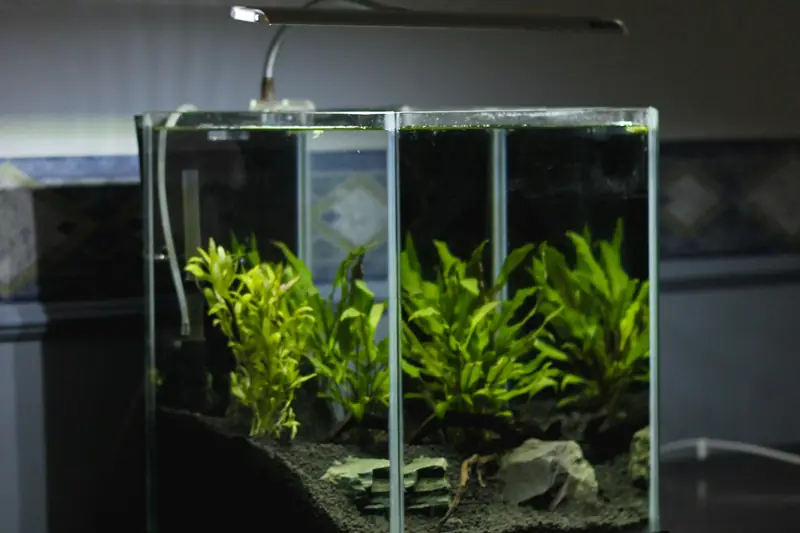
Planning the tank and the fish before you buy is the best way to avoid unwanted fish later.
-
Best Fish Tanks (20 Gallons and Up)
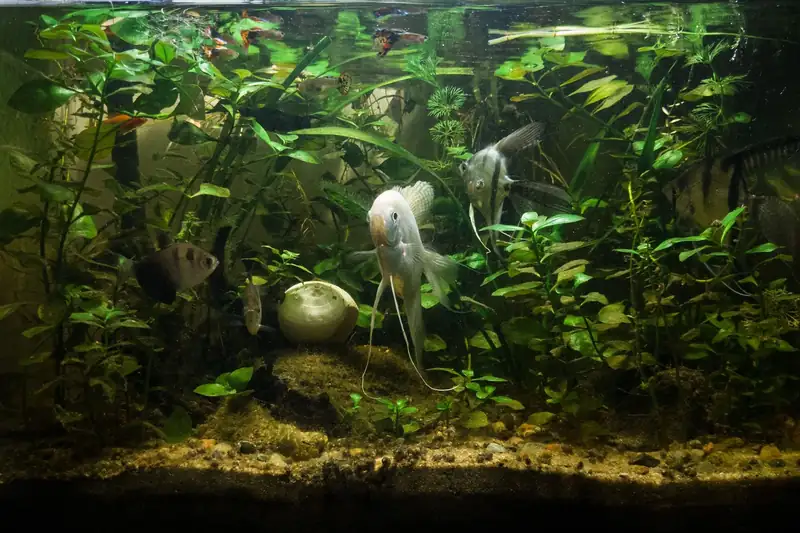
A tank that fits the fish you want helps you keep them for their whole life.

FAQ
Can I release my fish into a pond if it is a local species?
CDC says never to release pet fish into ponds, rivers or other outdoor areas, because most die and some harm native wildlife (CDC).
Can I put moss ball water down the drain?
USFWS says treated liquid can go down a household drain but never a storm drain (USFWS).
Why do zebra mussels matter?
USFWS describes them as among the most destructive invasive species in North America (USFWS).
Related
-
Buying guide
Best Aquarium Starter Kits for Beginners
Volume, filter type, heater and lid, side by side for first-time owners.
-
Buying guide
Best Fish Tanks (20 Gallons and Up)
Footprint, glass, rimless design and weight, side by side for larger tanks.
-
Guide
How to Set Up a Fish Tank: A Step-by-Step Beginner's Guide
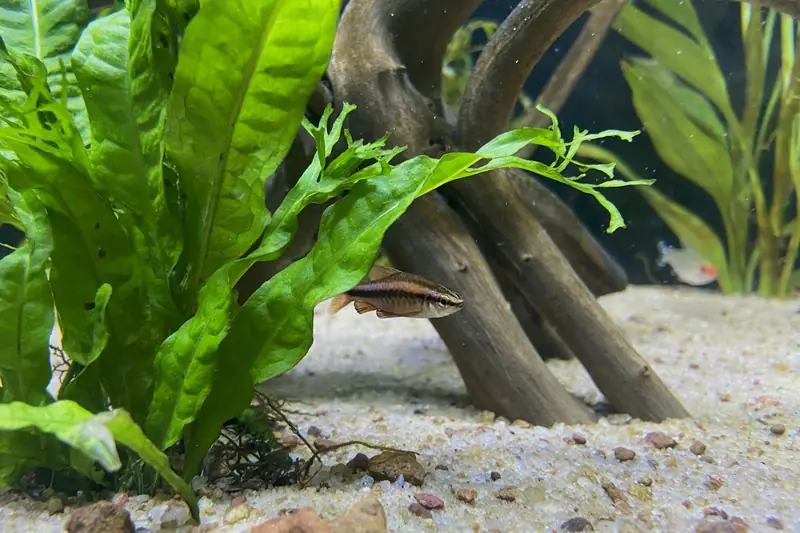
Stand, water treatment, filter, heater and tests, in the order that keeps fish safe.
-
Guide
Aquarium Hygiene: Keeping Your Family Healthy Around Fish Tanks
CDC guidance on germs, handwashing, cleaning and who should avoid tank work.
-
Get the First Fish Tank Checklist
A printable 8-point checklist for a new tank: stand weight, water treatment, filter, heater safety, temperature, tests and cleanup. Free.