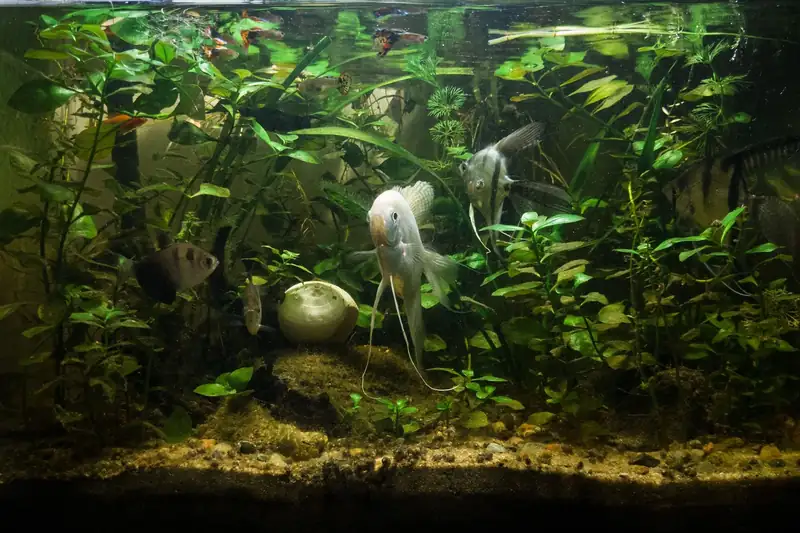
Best Fish Tanks (20 Gallons and Up)
A larger tank gives you more stable water and more choice of fish, but it asks more of your room and your floor. The main decisions are footprint, glass type and whether the tank has a rim. This page is for keepers moving up from a starter kit or buying a first bigger tank.
Jump to section
What we look for
Footprint and volume
the footprint decides whether the tank fits your stand and how much swimming room fish get.
Glass clarity
standard and low-iron glass differ in clarity, and the listing says which one you get.
Rimmed or rimless
a rim adds strength and a place for a lid; rimless gives a cleaner look.
Weight and stand rating
a full tank is very heavy, so the stand must be rated for it.
Lid compatibility
a lid keeps fish in and slows evaporation, but not every tank takes a standard lid.
Warranty
a warranty shows what the maker will cover if a seam or panel fails.
- Sources: manufacturer product pages and manuals, warranty terms, and the USGS water density table for weight and UF/IFAS for cycling facts.
How to choose the right fish tank
A bigger tank changes the stand, the floor and the budget before it changes the fish. Compare the six points below, and compare glass vs acrylic if you are open to either material.
Start with the stand. Aqueon says a filled aquarium weighs about 10 lb per gallon including fish, substrate, decor and water, so a 20-gallon tank is about 200 lb. It adds that most household furniture will likely support only tanks of 5 gallons or less, and larger tanks need a stand made for aquariums (Aqueon FAQ). Water alone is about 8.3 lb per gallon (USGS).
Material matters for the stand and for clarity. Aqueon says an acrylic tank's entire bottom must be supported, while glass tanks can sit on open-top stands (Aqueon FAQ). Vitro says its low-iron glass avoids the green look of ordinary clear glass and transmits 90% of visible light at 1/2 in, 7 percent more than ordinary clear glass (Vitro), which is why the Glass type column matters. Our glass vs acrylic comparison has more.
Footprint and volume
Measure the stand or furniture first, then compare the Dimensions column to it. Length and depth matter more than height for fish space, and a long tank is easier to reach into. Our setup guide starts with picking the spot.
Glass clarity
Listings name the glass type. Low-iron glass is sold as the clearer option, but it is a cosmetic choice. Check the Glass type column and decide whether the difference matters for how you will view the tank.
Rimmed or rimless
Rimless tanks show the water edge to edge but need more careful handling and often a different lid. Check the Rimless column, and look at the glass thickness the maker lists. If you want a frame to rest a hood on, a rimmed tank is simpler.
Weight and stand rating
Water alone is about 8.3 lb per gallon, so a 20-gallon tank holds about 166 lb of water before gravel, rock and glass (USGS, derived). Use a stand rated for the full weight and check the Empty weight and Stand included columns.
Lid compatibility
Check whether the tank comes with a lid or whether you must buy one, and whether it fits a rimless edge. Also check that the lid leaves room for filter intakes, a heater cord and a light, since every cord needs a drip loop (Fluval manual).
Warranty
Read the warranty terms on the maker's page: what is covered, for how long and what voids it.
Tips for using your fish tank
- Get a starter kit if you want filter, light and lid in one box rather than choosing each part.
- Pair the tank with the right filter before you place it; moving a full tank is not an option.
- Read how to cycle a fish tank before adding fish; the size of the tank does not change the biology.
FAQ
Can my furniture hold it?
Water alone is about 8.3 lb per gallon, so a 20-gallon tank holds about 166 lb of water before gravel, rock and glass. Use a rated stand (USGS, derived).
Where should it go?
Pick a level, sturdy surface near an outlet, out of direct sun and away from heating vents. This is practical guidance, not a sourced rule.
Do I cycle a big tank differently?
No, the biology is the same. Nitrifying bacteria convert ammonia to nitrite to nitrate, and a new biofilter takes weeks to establish (UF/IFAS).
What is the first test to buy?
Ammonia. It is colorless and odorless even at toxic levels, so testing is the only way to detect it (UF/IFAS).
Related
-
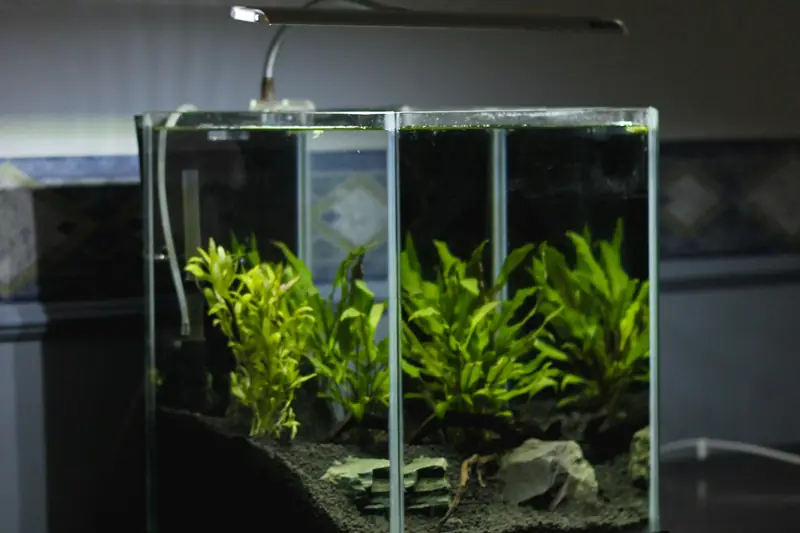
Buying guide
Best Aquarium Starter Kits for Beginners
Volume, filter type, heater and lid, side by side for first-time owners.
-
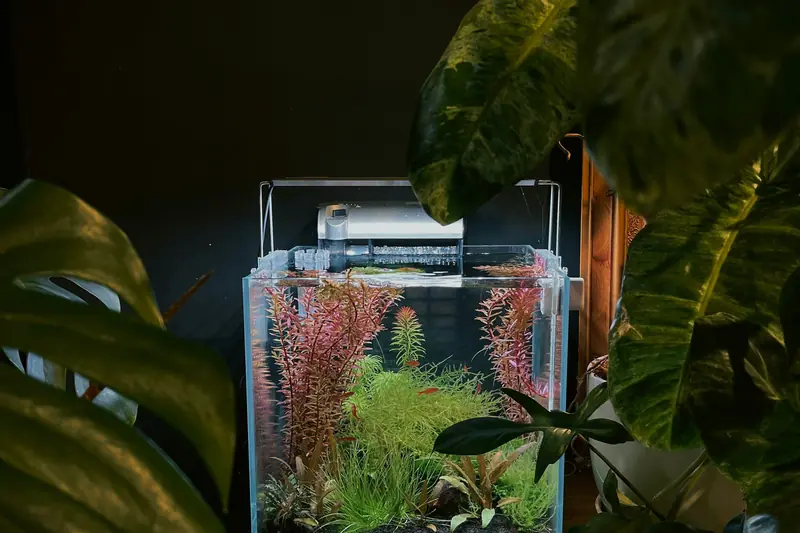
Buying guide
Best Aquarium Filters (Hang-On-Back, Sponge and Internal)
Rated tank size, flow, media and noise for hang-on-back, sponge and internal filters.
-
-
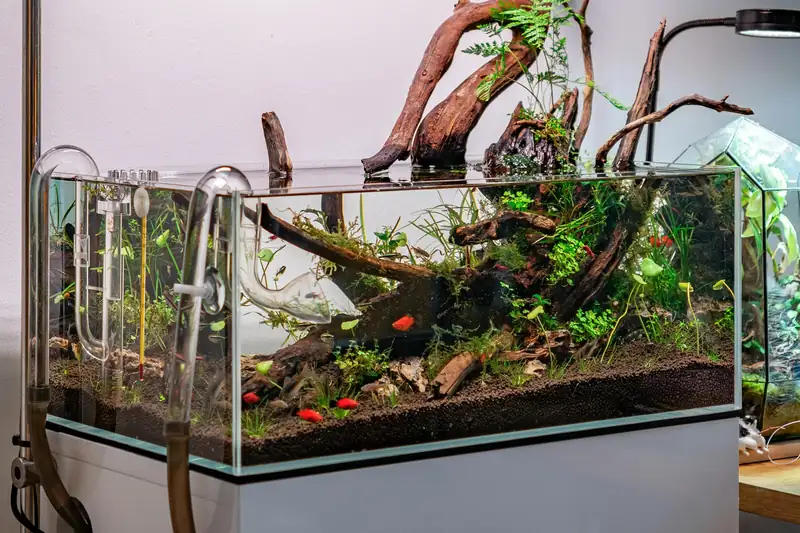
Buying guide
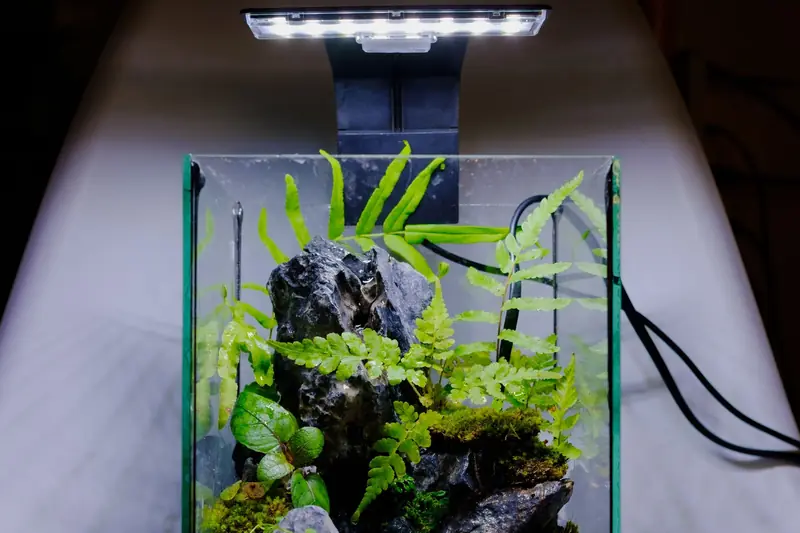
Best Aquarium Lights (Fish-Only and Planted)
Tank fit, output, spectrum and controls for fish-only and planted tanks.
-
Comparison
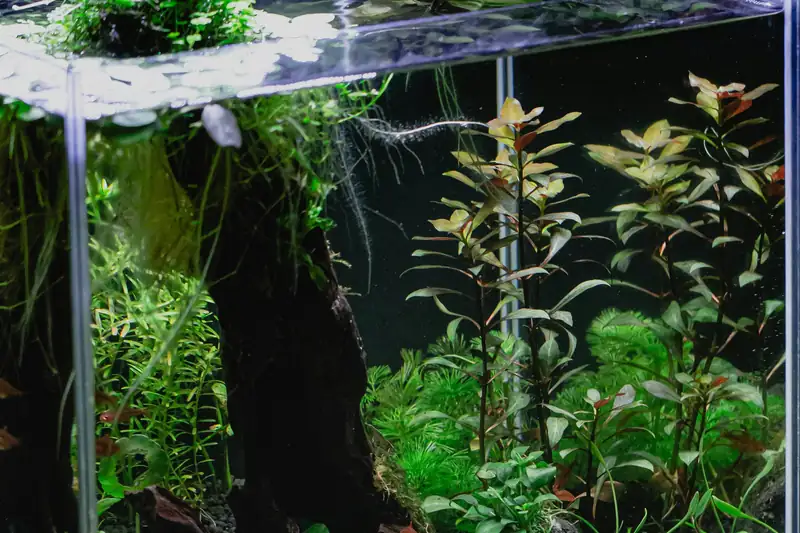
Glass vs Acrylic Aquarium: Which Material Fits You?
Weight, clarity, scratching, shapes and stand needs for the two tank materials.
-
Guide
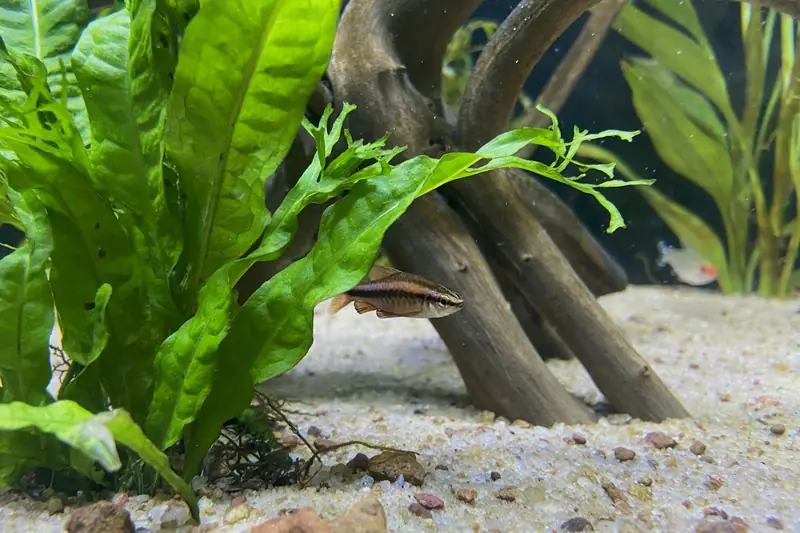
How to Set Up a Fish Tank: A Step-by-Step Beginner's Guide
Stand, water treatment, filter, heater and tests, in the order that keeps fish safe.


Get the First Fish Tank Checklist
A printable 8-point checklist for a new tank: stand weight, water treatment, filter, heater safety, temperature, tests and cleanup. Free.