
Best Aquarium Heaters
A heater holds tropical fish at a steady temperature, and it is also an electrical appliance in water. The decisions are wattage and rated tank size, whether you can adjust it, and how the body is built. This page is for anyone buying a first heater or replacing one, with setup rules taken from a maker's manual.
What we look for
Wattage and rated tank size
the maker's rated tank size tells you which heater fits your tank.
Adjustable or preset
an adjustable heater lets you set the temperature, while a preset heater is fixed.
Accuracy
heaters can drift, so a thermometer is the check.
Shatter-resistant or titanium body
the body material decides how the heater handles knocks and corrosion.
Auto shut-off or run-dry protection
protection if the water level drops reduces the chance of damage.
Guard or sleeve
a guard stops fish touching the hot surface and protects the heater from knocks.
- Sources: manufacturer product pages and manuals, warranty terms, and the Fluval M heater manual for setup rules and manufacturer listings for specs.
How to choose the right heater
Heater choice comes down to matching the maker's rated tank size, then setting it up safely. Read our aquarium heater safety guide before you plug one in, and see how to set up a fish tank for the order of steps.
Read the manual's electrical rules before you buy. Fluval's manual says a damaged cord cannot be replaced, so discard the heater, and never cut the cord. It is for indoor use only, not for pools, ponds or bathrooms, and children need supervision around it (Fluval manual).
Heater manuals are model-specific, so use them as a checklist for the maker's own instructions and not as a rule for every product. A UF teaching module advises no more than a 5°F temperature swing in 24 hours for its classroom system (UF teaching module), which is one reason to check the water with a thermometer.
Wattage and rated tank size
Use the maker's rated tank size for each model rather than a rule of thumb. One manual says its model is designed to hold temperature when the gap between room and set temperature is under 10°C (18°F), and that cold rooms, no lid or strong flow may need more wattage (Fluval manual). Check the Wattage and Rated tank size columns together.
Adjustable or preset
Check the Adjustable and Temperature range columns. Adjustable models suit fish with specific needs, and you can fine-tune the setting. Either way, verify the water temperature with a separate thermometer; do not trust the dial alone.
Accuracy
Fluval says to allow up to 12 hours for the heater to reach the set temperature before adjusting the dial (Fluval manual). Then compare the dial to an accurate thermometer in the tank. Our heater safety guide covers the full setup.
Shatter-resistant or titanium body
Check the Body material column. Glass heaters can break if hit; titanium and plastic-coated bodies are sold as more durable. Whatever the material, the heater must stay submerged to its minimum line and never run outside the water (Fluval manual).
Auto shut-off or run-dry protection
Check the Run-dry protection column and read what the maker says it does. It is a maker-stated feature and not a substitute for keeping water above the minimum line or for unplugging the heater before maintenance.
Guard or sleeve
Look for a guard, sleeve or slot that fits the heater, especially in tanks with larger or curious fish. Measure the length and minimum water level in the last column so the heater fits the depth of your tank.
Tips for using your heater
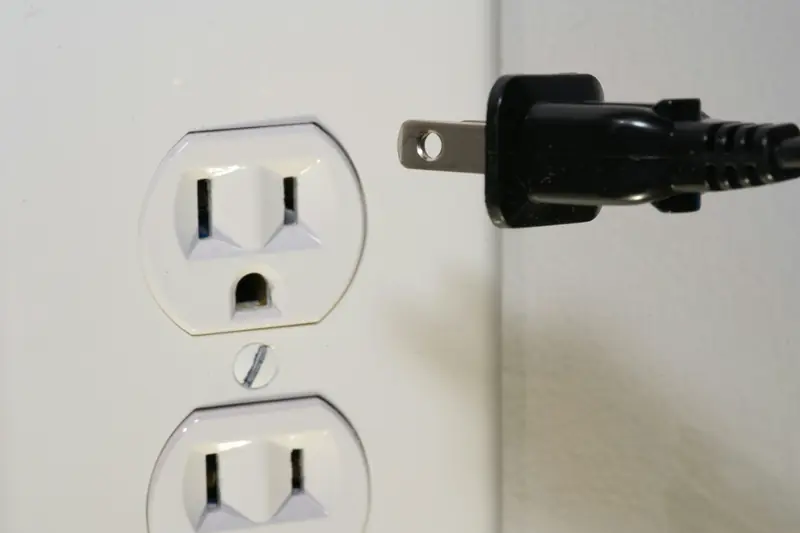
- Leave a drip loop in the cord below the outlet so water cannot run down the cord into the socket (Fluval manual).
- Match the heater to your tank with the maker's rated tank size for that model.
- Add a separate thermometer. It is the only way to check what the heater is doing.
- Remove a heater only after unplugging it and letting it cool for at least 30 minutes (Fluval manual).
FAQ
How do I remove a heater safely?
Unplug it, then let it cool for at least 30 minutes before lifting it out of the water (Fluval manual).
What is a drip loop?
A dip in the cord below the outlet, so water running down the cord drips off instead of reaching the socket (Fluval manual).
How long does it take to heat up?
Fluval says to allow up to 12 hours to reach the set temperature before adjusting the dial (Fluval manual).
Can a heater run out of water?
Fluval says its heater must never operate outside of water. Keep it submerged to the minimum line (Fluval manual).
Related
-
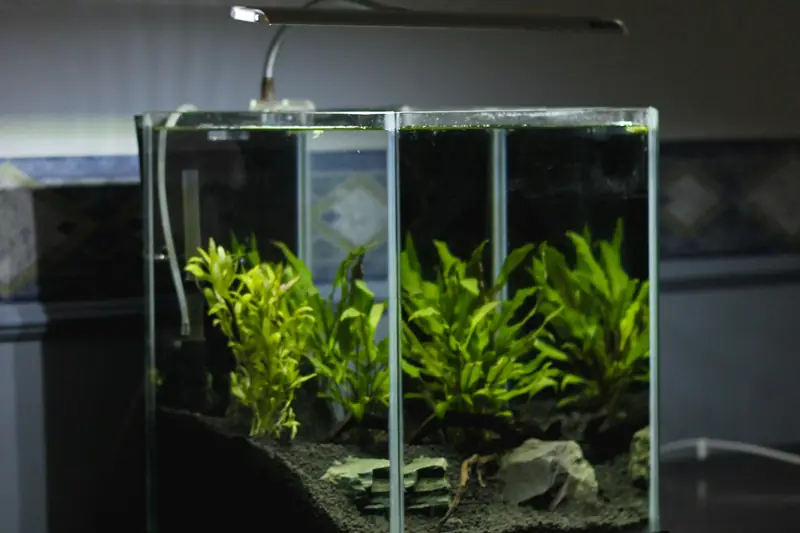
Buying guide
Best Aquarium Starter Kits for Beginners
Volume, filter type, heater and lid, side by side for first-time owners.
-
-
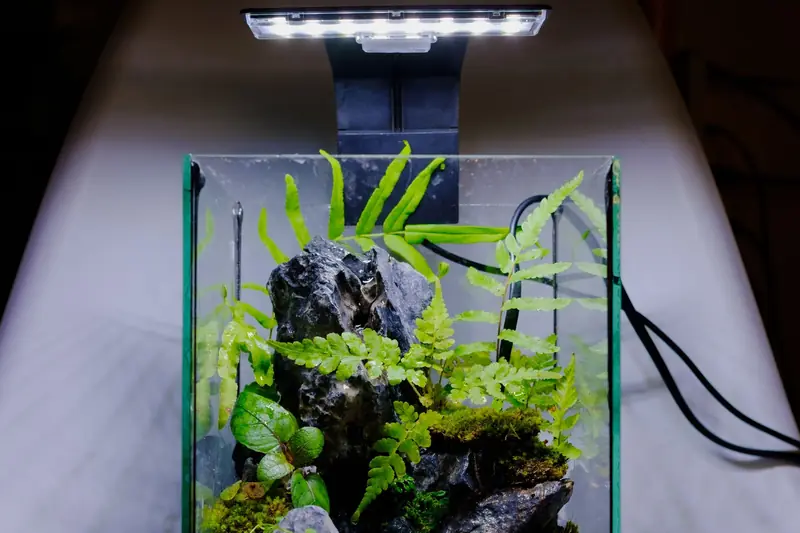
Buying guide
Best Aquarium Lights (Fish-Only and Planted)
Tank fit, output, spectrum and controls for fish-only and planted tanks.
-
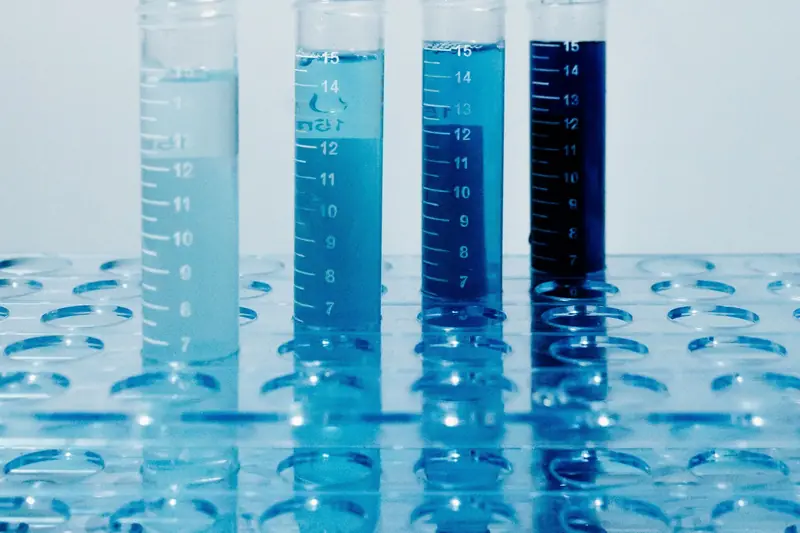
Buying guide
Best Aquarium Test Kits
Parameters, format, tests per kit and ammonia range, side by side.
-
Guide
Aquarium Heater Setup and Electrical Safety
Unplugging, submersion lines, drip loops and the 30-minute removal rule.
-
Guide
How to Set Up a Fish Tank: A Step-by-Step Beginner's Guide
Stand, water treatment, filter, heater and tests, in the order that keeps fish safe.
Get the First Fish Tank Checklist
A printable 8-point checklist for a new tank: stand weight, water treatment, filter, heater safety, temperature, tests and cleanup. Free.